
In the modern agricultural landscape, understanding the needs of livestock is essential for ensuring optimal health and productivity. One key aspect that often gets overlooked is the role of lighting in cattle management. At szAMB, we recognize the significance of effective cow lighting, particularly the impact of light on the well-being and productivity of dairy and beef cattle. Here, we explore why light is crucial for cows and how the right lighting solutions can enhance their overall environment.
The Role of Light in Cattle Well-Being
Cows, like many animals, require light not just for visibility but for their overall well-being. Proper cow lighting helps regulate their biological rhythms, including feeding, milking cycles, and reproduction. Studies show that exposure to appropriate light levels can result in increased milk production and improved health in dairy cows. Insufficient lighting can lead to stress, decreased appetite, and even behavioral issues, which can adversely affect their growth and productivity.
Choosing the correct type of lighting is vital. Traditional options, such as metal halides, often do not meet the specific needs of cattle. Innovative solutions, such as the LED lighting offered by szAMB, provide the brightness necessary while minimizing heat production, which can also create a more comfortable environment for the animals.
Benefits of LED Lighting for Dairy and Beef Cattle
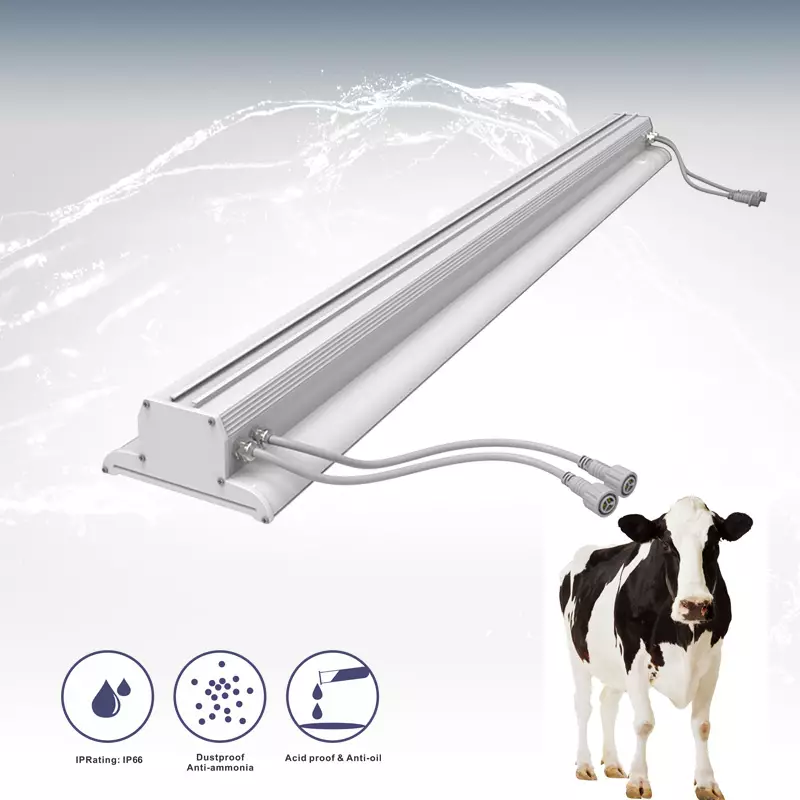
The adoption of LED technology has revolutionized cattle lighting. Our IP65 Rated LED Linear Highbay fixtures are designed specifically to replace older metal halide or fluorescent systems, providing a more efficient and effective solution. With a luminous efficacy of 140 lm/W, these lights illuminate barns and holding areas better than conventional options while consuming less energy.
The aluminum alloy body of our fixtures offers exceptional heat dissipation, ensuring that the temperature remains comfortable for both the livestock and the equipment. Additionally, our frost cover reduces glare, creating a more soothing atmosphere for cows. Cattle are particularly sensitive to bright, harsh light, so minimizing glare is crucial in maintaining a stress-free environment.
Multiple mounting options provide versatility in installation, allowing farmers to customize their lighting arrangements based on specific needs. This adaptability is a key advantage for large-scale operations that require efficient and comprehensive lighting solutions across various spaces.
Enhancing Productivity through Effective Cow Lighting
The benefits of adequate and appropriate cow lighting extend beyond comfort; they have direct implications for productivity. Research has shown that well-lit environments can lead to higher milk production rates and better growth performance in beef cattle. Improved lighting conditions promote healthier feeding patterns and more regular breeding cycles, ultimately enhancing operational efficiency.
Choosing the right cattle light is an investment in livestock health and farm productivity. At szAMB, our focus on innovative designs ensures that you get the most out of your lighting solutions. By integrating advanced technology in our products, such as IP65 ratings for moisture and corrosion resistance, we provide reliable options that withstand the rigors of agricultural settings.
The Integral Role of Lighting in Cattle Care
In summary, the question of whether cows need light is unequivocally answered: yes, they do, and the type of light is equally critical. Proper cow lighting, especially through energy-efficient solutions like those offered by szAMB, can significantly enhance the health, comfort, and productivity of cattle.
By investing in effective cattle light systems, farmers can create better environments for their livestock, leading to improved outcomes for both the animals and the agricultural operations as a whole. As the agricultural industry evolves, so too should our approaches to livestock management. Investing in high-quality lighting solutions is one sure way to foster a brighter and more productive future for cattle farming.