
Understanding the dynamics of LED barn lights is crucial for optimizing livestock lighting solutions. Livestock farming has increasingly integrated modern lighting technologies to create environments conducive to animal health and productivity. By leveraging advanced lighting systems, farmers can enhance both the welfare of their livestock and their operational efficiency. Our experience at szAMB reveals that effective lighting can transform a barn into a space that promotes positive animal behavior and reduces stress levels.
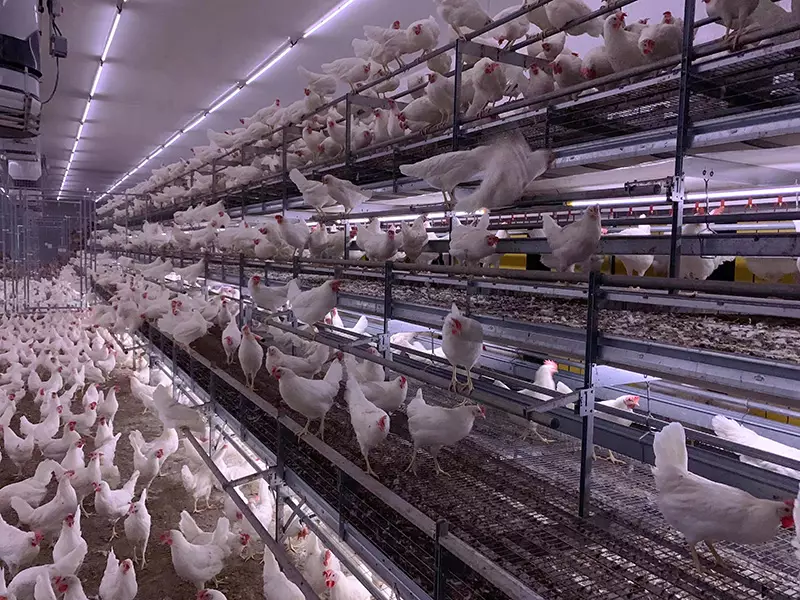
The Importance of Uniform Lighting Distribution
One of the standout features of high-quality livestock lighting is its ability to provide uniform light distribution across the barn. Shadows in a barn can lead to stress among animals, which in turn can result in less productivity. Comprehensive research shows that consistent lighting reduces floor egg incidents in poultry, which benefits producers in the long run. Implementing our robust LED barn lights, designed specifically for agricultural environments, allows for better visual conditions, thus enhancing the welfare of the animals.
Advantages of High-Performance LED Lighting
LED barn lights are revolutionizing farm environments with their long lifespan and energy efficiency. The lights we offer at szAMB boast a lifespan exceeding 80,000 hours, ensuring that farmers can rely on these systems for extended periods. The unique ammonia-resistant design allows our products to function effectively even in harsh conditions, making them an ideal choice for livestock facilities. Moreover, the lights come with an IP67/IP69K rating, suggesting they withstand high-pressure washdowns without compromising performance. This durability translates into lower maintenance costs and greater ease of use for farmers.
Seamless Installation and User Experience
Implementing innovative livestock lighting solutions shouldn’t be a cumbersome process. At szAMB, we prioritize user experience through a Plug & Play installation system. This design allows farmers to quickly set up the lighting without specialized knowledge or extensive downtime. The focus on making the installation process as seamless as possible ensures that productive work on the farm can continue uninterrupted. This approach leads to efficient use of time and resources, reducing barriers to upgrading livestock lighting systems.
Conclusion
Integrating LED barn lights into poultry and livestock facilities is not merely about replacing old fixtures; it’s about enhancing the overall environment for both animals and farmers. Opting for advanced solutions like those provided by szAMB means creating a more efficient, productive, and animal-friendly space. By adopting these technologies, farmers can improve animal well-being and reduce operational costs while benefiting from the longevity and durability of the lighting systems. Transitioning to modern livestock lighting will ultimately support the sustainability and profitability of farming operations, paving the way for a brighter future in agriculture.