
At szAMB, we understand that proper lighting transforms a simple storage shed into a high-functioning livestock facility. But how do you add lighting to a shed effectively—especially when that shed houses your dairy herd? The answer lies in strategic, purpose-driven illumination. Over years of delivering professional LED cattle shed lighting solutions worldwide, we’ve learned that installing lights isn’t just about visibility; it’s about animal welfare, milk yield, and operational efficiency. Let us walk you through the essentials.
Why Standard Bulbs Won’t Work in a Cattle Shed
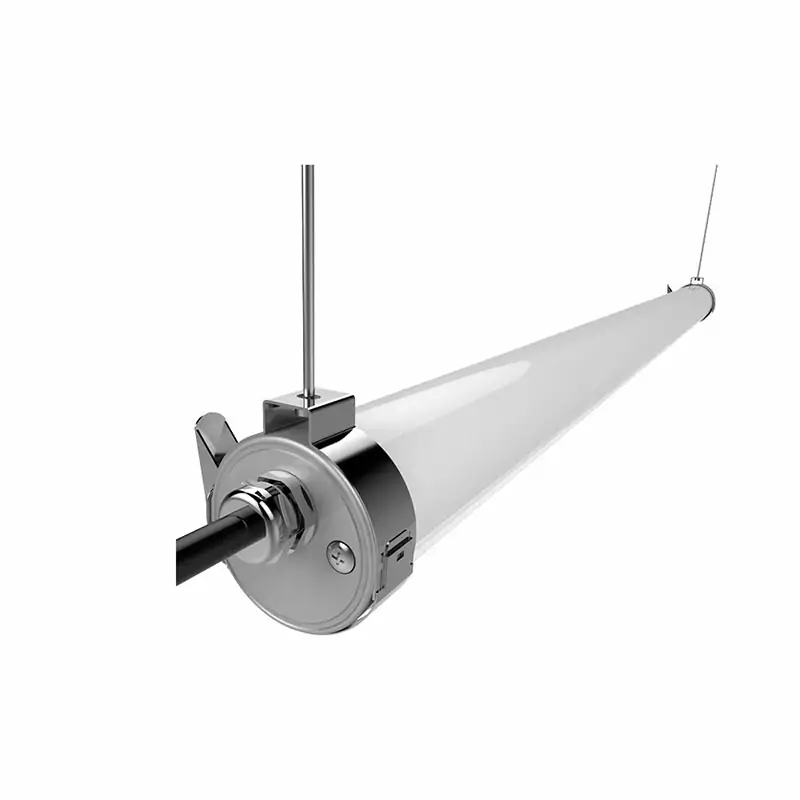
Many farm operators make the mistake of using ordinary workshop lights in their cattle sheds. This approach fails for several reasons. First, moisture, dust, and ammonia vapors quickly degrade standard fixtures. Second, conventional lighting creates harsh glare and uneven shadows, which increase stress among livestock. For cow lighting to be effective, you need durability and comfort. szAMB’s LED lights for cattle sheds feature an innovative aluminum alloy housing combined with a specially designed frost-resistant glass cover. This advanced structure significantly enhances protection against moisture and harsh environmental conditions, ensuring long-lasting durability even in challenging dairy farm settings. When you add lighting to a shed intended for cattle, prioritize fixtures rated for high humidity and temperature swings.
Step-by-Step Installation for Optimal Cattle Shed Lighting
Adding lighting to a shed requires planning, not just hardware. Start by mapping out your shed’s layout, paying special attention to feeding areas, resting zones, and walkways. For cattle shed lighting, we recommend mounting lights at a height of 4–5 meters to achieve uniform coverage without blinding animals. Space fixtures roughly 3–4 meters apart. Next, choose a system that supports Long Day Lighting protocols—extended photoperiods of 16–18 hours of light followed by 6–8 hours of darkness. This technique is proven to maximize milk yield. Our cow lighting solutions include dimmable drivers and anti-glare optics, creating a comfortable visual environment for livestock, helping reduce stress and maintain consistent performance throughout the production cycle. Finally, connect lights to a programmable timer for automated sunrise and sunset simulations.
Maintaining Performance Through Heat Dissipation and Safety
One overlooked aspect of shed lighting is heat management. Poor thermal design shortens LED lifespan and creates fire risks in dusty barns. The superior heat dissipation of szAMB’s cattle lights ensures stable operation even in summer months. During installation, avoid placing lights directly above waterers or manure alleys where corrosive gases concentrate. Instead, angle fixtures slightly away from animal eye level. Regular cleaning of the frost-resistant glass cover every three months preserves light output. Remember, effective cattle shed lighting isn’t a one-time task—it’s an ongoing commitment to herd well-being.
Lighting the Way Forward
Illuminating a cattle shed goes beyond screwing in a few bulbs. From selecting moisture-proof housings to programming Long Day Lighting cycles, every decision impacts your herd’s health and your bottom line. At szAMB, we have focused on developing and applying innovative LED lighting technologies in the livestock industry. As a professional poultry and livestock lighting system manufacturer, we provide high-quality, energy-efficient solutions for barns worldwide. When you add lighting to a shed with szAMB’s cow lighting systems, you’re not just brightening a room—you’re boosting productivity, reducing animal stress, and building a more profitable farm. Let there be smart light.