
The question “How does light affect pigs?” moves the discussion beyond basic barn illumination and into the realm of advanced biological management. For equipment manufacturers, large farm operators, and dealers specializing in swine production, light is not a utility; it is a powerful, controllable input that directly regulates the pig’s behavior, growth rate, reproductive cycle, and overall welfare. At szAMB, we understand that effective swine lighting is the linchpin of a productive and profitable operation, and our specialized systems are engineered to leverage this science for predictable economic returns.
Generic, non-specialized lighting fails to account for the unique physiological and psychological needs of the pig, resulting in unnecessary stress and compromised performance. We focus on delivering highly durable, precision swine light systems that align technical specifications with the specific biology of the animal, transforming the light environment into a strategic asset for maximizing yield.
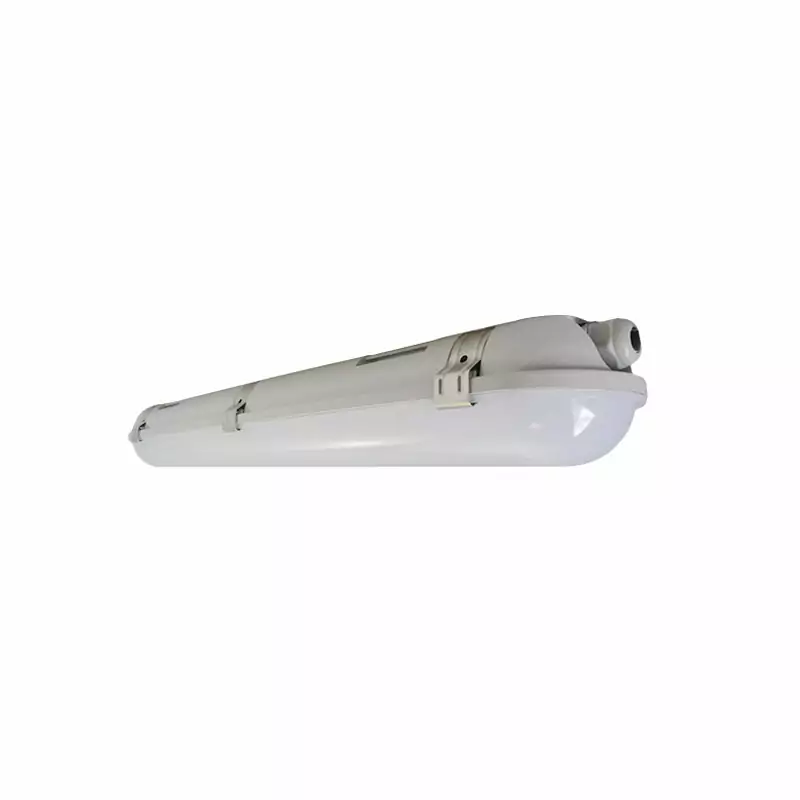
The Dichromatic Reality: How Pigs Process Light
The foundation of effective swine lighting lies in understanding the pig’s visual system, which is fundamentally different from that of a human. Pigs are dichromatic, meaning they primarily perceive two color channels, similar to red-green color blindness in humans. They possess heightened sensitivity to shorter wavelengths—specifically the blue and green spectrums—but struggle to differentiate long wavelengths (reds and oranges).
This visual reality dictates the optimal light environment. Light perceived by the pig stimulates photoreceptors in the retina, sending signals to the brain that regulate the circadian rhythm and the secretion of critical hormones. When the light spectrum is not optimized, the pig’s biological response is suboptimal. For example, while blue-green light is effectively processed and utilized for general activity and growth stimulation, the presence of specific colors is also used to influence behavior. Our engineering expertise ensures that our fixtures provide the specific spectrum and intensity necessary to achieve the desired biological outcome, guaranteeing that the swine light is biologically relevant at all times.
Light as a Behavioral and Reproductive Manager
The effects of light on pigs are managed across three critical production phases:
1. Light and Growth in the Finishing Phase
In the grow-finish stages, swine lighting primarily focuses on optimizing growth rate and feed conversion. Light intensity is a key factor; consistent, controlled light exposure encourages feed intake and activity, directly supporting muscle development. However, the management system must also allow for a predictable dark period, which is essential for rest, recovery, and overall immune function. We design our systems with precise dimming capabilities to manage the transition between light and dark without causing sudden stress, ensuring the animals remain calm and focused on efficient growth.
2. Light and Reproduction in the Gestation and Breeding Phases
For breeding sows, swine lighting is a critical tool for reproductive management. The duration of light exposure—the photoperiod—directly influences hormonal release that governs estrus and conception rates. We recommend and provide systems that allow for optimized, long-duration photoperiods during gestation to maintain hormonal stability. Studies suggest that increasing the photoperiod during the breeding phase can positively influence sow performance and overall litter size. Our programmable controls give the operator the power to fine-tune the light schedule, ensuring that the swine light is consistently stimulating the sow’s endocrine system for peak fertility.
3. Light and Stress Mitigation During Farrowing
During the sensitive farrowing stage, light management pivots to stress reduction. Sows are highly sensitive during this period, and any environmental stressor can lead to restlessness, potentially harming piglets. Our solutions allow for low, dim lighting during farrowing to create a calmer environment. Crucially, this dim setting must still be 100% flicker-free. The reliable, stress-free light delivered by szAMB minimizes sow agitation, supporting better mothering behavior and directly reducing pre-weaning mortality.
The Silent Threat: Flicker and Stress Elimination
The most overlooked aspect of swine lighting is the threat posed by flicker. Although pigs’ sensitivity is less than that of poultry, they possess a higher flicker fusion frequency than humans. Consequently, many generic LED and older lighting fixtures operating at 50/60 Hz appear to the pig as a constant, rapid strobe. This is an invisible, chronic stressor that leads to increased cortisol levels, restlessness, and nervousness.
Chronic stress compromises the pig’s immune system, negatively impacts feed conversion, and contributes to aggressive behaviors. We eliminate this costly stressor entirely. szAMB swine light systems are engineered with advanced drivers to guarantee 100% flicker-free dimming across the entire light output range. This engineering decision is central to our commitment to animal welfare and production uniformity, providing a tranquil environment that allows the animal to dedicate its metabolic energy fully to growth and reproduction.
Engineering for the Swine Environment: The szAMB Advantage
The specialized biological requirements of the pig must be matched by the technical resilience necessary to survive one of agriculture’s harshest environments. We understand that for manufacturers and commercial operators, long-term ROI is inextricably linked to durability and minimal maintenance. Therefore, our swine light fixtures are purpose-built to exceed industry standards for resistance.
Swine barns are characterized by extreme humidity, constant moisture, and a high concentration of highly corrosive ammonia gas. To combat this, our solutions feature industry-leading IP67/IP69K ratings. The IP67 rating ensures complete sealing against dust and moisture, while the IP69K rating guarantees the fixture can withstand the high-pressure, high-temperature jets essential for sanitation and biosecurity protocols. Most importantly, we construct our swine lighting systems with ammonia-resistant materials to prevent the rapid chemical degradation that afflicts generic fixtures. This robust engineering commitment ensures that our products guarantee an operational lifespan exceeding 80,000 hours, securing the long-term profitability of the investment for our partners.
By choosing szAMB, our clients invest in a complete management system that aligns technical durability with biological precision. We provide the assurance that your swine light is not only optimized for the pig’s visual and endocrine system but is also rugged enough to deliver consistent, flicker-free performance under extreme conditions, ensuring predictable and enhanced production yields.