
The question “What is the best lighting for a shed?” is fundamentally answered by the shed’s primary occupant and its biological purpose. When that shed is a modern dairy or beef facility, the lighting is no longer just a fixture for human visibility; it is a specialized, science-backed cow lighting system. At szAMB, we define the best lighting for a LED cattle shed lighting installation by a singular metric: its ability to enhance animal health and maximize verifiable economic returns through precise biological control and uncompromised durability. Our mission is to partner with farm operators and manufacturers to ensure that every investment in lighting is a strategic investment in enhanced productivity.
Generic or traditional lighting systems are wholly inadequate because they fail to meet either the physiological demands of the bovine species or the brutal environmental conditions of the barn. We engineer our cow lighting systems to be a strategic asset, converting electrical energy input into significant increases in milk yield, improved reproductive health, and enhanced overall animal welfare for our clients globally. This transition from basic illumination to calculated lighting management is what separates leading commercial operations from the competition.
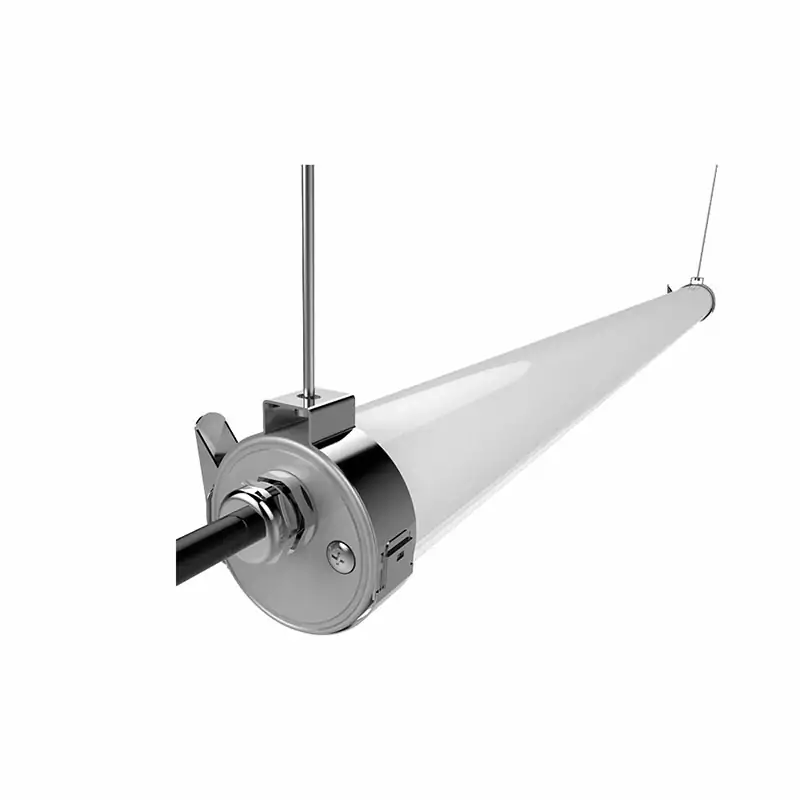
The Best Lighting is Biologically Precise: The Photoperiod Mandate
The most crucial factor in determining the “best” lighting is its capacity for precise photoperiod management. Dairy cattle operate on a strict circadian rhythm, and manipulating this cycle through controlLED light exposure is the scientifically proven method for boosting production. The best LED cattle shed lighting must facilitate two distinct, critical light cycles that correspond to the animal’s stage of production. These cycles are designed to directly influence the secretion of key hormones, a level of control that only specialized systems, like ours, can reliably deliver.
1. The Long-Day Photoperiod (LDPP) for Maximizing Milk Yield
For cows actively producing milk, the LDPP is the gold standard for maximizing output. This cycle requires providing a consistent 16 to 18 hours of bright light, followed by 6 to 8 hours of complete and uninterrupted darkness. The required light intensity during the bright phase is critical; it must fall within the narrow, industry-recommended range of 150 to 200 lux at cow eye level. Our cow lighting solutions are meticulously designed to suppress the release of melatonin during the long light phase. This strategic suppression initiates a hormonal shift, specifically elevating levels of Prolactin and Insulin-like Growth Factor-1 (IGF-1). These hormones directly stimulate the mammary glands, resulting in a verifiable increase in milk yield that consistently ranges from 8% to 15%. Furthermore, the LDPP regime supports a marked increase in Dry Matter Intake (DMI), often up to 6% higher, ensuring the cow has the necessary energy to support the biologically stimulated higher production levels. The best lighting, therefore, is the lighting that is scientifically proven to make the most milk over the life of the herd.
2. The Short-Day Photoperiod (SDPP) for Long-Term Health
The best LED cattle shed lighting must also cater to the needs of dry cows, recognizing that optimizing future performance is key to long-term profitability. We provide solutions for the Short-Day Photoperiod (SDPP), which requires the animal to receive only 8 hours of light followed by 16 hours of darkness. This regime is counterintuitive, but it is scientifically proven to improve udder health and maximize mammary gland recovery during the resting phase. Studies confirm that cows maintained under SDPP during their dry period show increased milk production in their subsequent lactation, with reports demonstrating a gain of up to seven pounds per day in the following cycle. Our programmable Smart Dimmer Controls allow the operator to seamlessly and reliably switch groups of animals between the high-lux LDPP and the specialized SDPP regimes, ensuring every stage of the cow’s life is biologically optimized.
The Best Lighting is Technically Resilient: Durability and Safety
Biological efficacy is only half the measure of the “best” lighting. The system must also survive the relentless environmental conditions of the barn to justify the investment. Generic fixtures fail quickly when exposed to moisture, corrosive gases, and intense washdowns, leading to high maintenance costs and dangerous operational interruptions.
Unmatched Environmental Resistance and ROI
The presence of ammonia, a byproduct of manure and urine, is highly corrosive to standard metals and plastics, leading to rapid degradation of electronics and fixture bodies. We engineered our fixtures with ammonia-resistant construction materials to prevent premature failure and guarantee an operational lifespan exceeding 80,000 hours. Furthermore, our cow lighting solutions feature industry-leading IP67/IP69K ratings. The IP67 rating ensures complete sealing against dust and moisture common in feed preparation areas, while the IP69K rating confirms the fixture can reliably withstand the high-pressure, high-temperature jets used in modern sanitation and washdown procedures. Our commitment to this technical resilience ensures that our lighting is a true, long-term asset, providing the lowest total cost of ownership and maximizing the long-term ROI for our partners.
Uniformity, Safety, and Protecting the Dark Cycle
The best lighting also prioritizes animal comfort and operational safety. Poorly designed light fixtures create sharp contrasts, shadows, and hotspots, which confuse and stress the animals. Our solutions are designed for exceptional uniform light distribution, ensuring the target lux level (150-200 lux) is consistently maintained across the entire floor area, minimizing crowding and promoting equal access to feed and water. We also design our fixtures to minimize glare, using appropriate lensing and mounting strategies that shield the cow’s sensitive eyes while providing optimal illumination to the environment. Finally, our control systems protect the integrity of the essential dark period. Our specialized systems incorporate a low-intensity, monochromatic red light option. Because cows perceive this red spectrum as dim grey and it does not trigger melatonin suppression, our red lights allow human farm workers to safely navigate, inspect animals, or complete necessary tasks during the dark hours without compromising the biological efficacy of the LDPP or SDPP program. This dual-purpose control is precisely why szAMB systems are recognized as the nicest LED cattle shed lighting solutions available.