
Lighting plays a quiet but important role in poultry management. We often receive questions about whether artificial lighting can influence laying cycles and how it should be used in practical farming conditions. When discussing chicken coop lighting for egg production, it is essential to understand how birds respond to light duration and intensity rather than simply the type of bulb being used.
At szAMB, we design poultry lighting solutions that support stable farm routines and help create predictable environments for laying hens without unnecessary complexity.
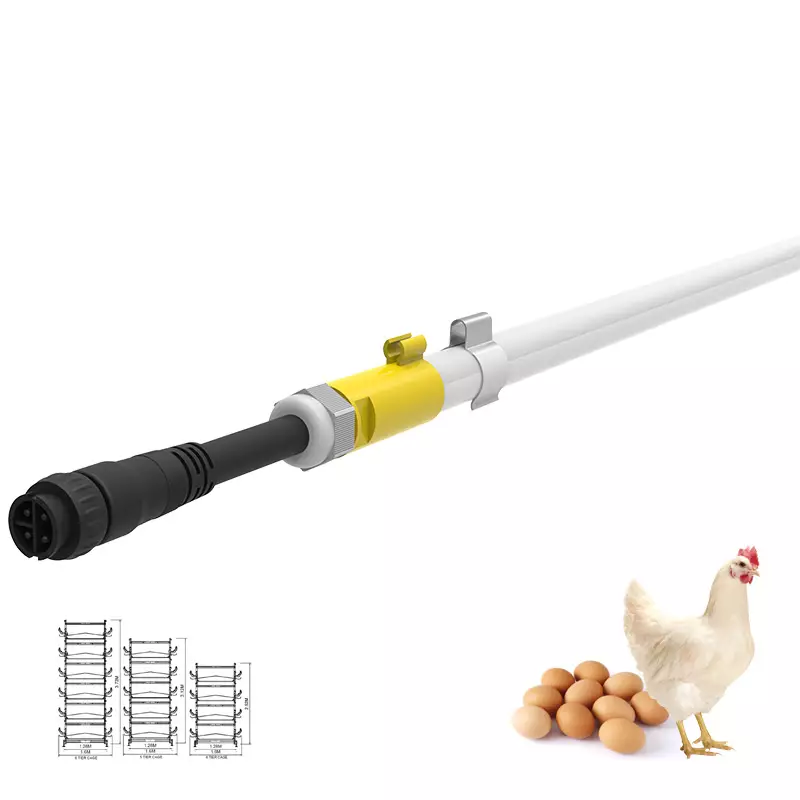
How Light Affects Egg Laying Behavior
Egg production in chickens is closely linked to photoperiod, which refers to the number of daylight hours they experience. Hens naturally respond to longer daylight periods by maintaining or increasing laying activity, while shorter days can reduce productivity.
This is why farmers often explore controlled lighting setups to maintain consistent day length inside coops. In this context, light for chickens to lay eggs is not about forcing production but about supporting natural biological rhythms through steady exposure patterns.
It is important to note that chickens do not respond only to brightness. The timing, consistency, and gradual adjustment of lighting schedules are more influential in maintaining regular laying cycles.
Can LED Lighting Support Egg Production
LED lighting has become a practical choice in poultry farming due to its stability and energy efficiency. Unlike traditional bulbs, LED systems provide consistent illumination without frequent fluctuations, which helps maintain a calm environment inside the coop.
When used correctly, chicken coop lighting for egg production can benefit from LED systems because they allow farmers to control light duration more precisely. This makes it easier to simulate natural daylight conditions, especially during seasons when sunlight is limited.
However, LED lights alone do not directly increase egg laying. They support the environmental conditions that encourage hens to continue their natural laying patterns.
Practical Use in Poultry Farms
In real farm settings, lighting systems must be reliable, easy to adjust, and suitable for long operating hours. LED fixtures designed for poultry environments are often built with uniform light distribution, which helps avoid overly bright or shadowed areas inside the coop.
At szAMB, our poultry lighting solutions are developed with these needs in mind. We focus on providing stable illumination that supports daily farm routines while reducing the need for frequent maintenance. This is especially useful in large-scale operations where consistent lighting schedules are essential for flock management.
Key Considerations for Farmers
When setting up lighting for laying hens, it is important to maintain a consistent schedule, typically extending daylight exposure to around 14 to 16 hours depending on breed and management goals. Sudden changes in lighting duration should be avoided, as they may disrupt laying patterns.
Placement of lights also matters. Even distribution ensures that all birds receive similar light exposure, preventing uneven behavior within the flock.
Conclusion
LED lighting can be a useful tool in poultry management, but its role is supportive rather than direct. While chicken coop lighting for egg production helps create stable environmental conditions, success depends on proper scheduling and farm management practices.
Similarly, light for chickens to lay eggs should be viewed as a way to guide natural rhythms rather than artificially force production. With thoughtfully designed systems from szAMB, farmers can maintain consistent lighting environments that support healthy and predictable laying cycles.