
In modern livestock facilities, lighting plays a practical role beyond simple visibility. It influences animal behavior, worker efficiency, and overall barn management. When comparing traditional fixtures with LED-based systems such as a swine light used in pig housing environments, one of the most noticeable differences is how easily maintenance and replacement can be handled in daily farm operations.
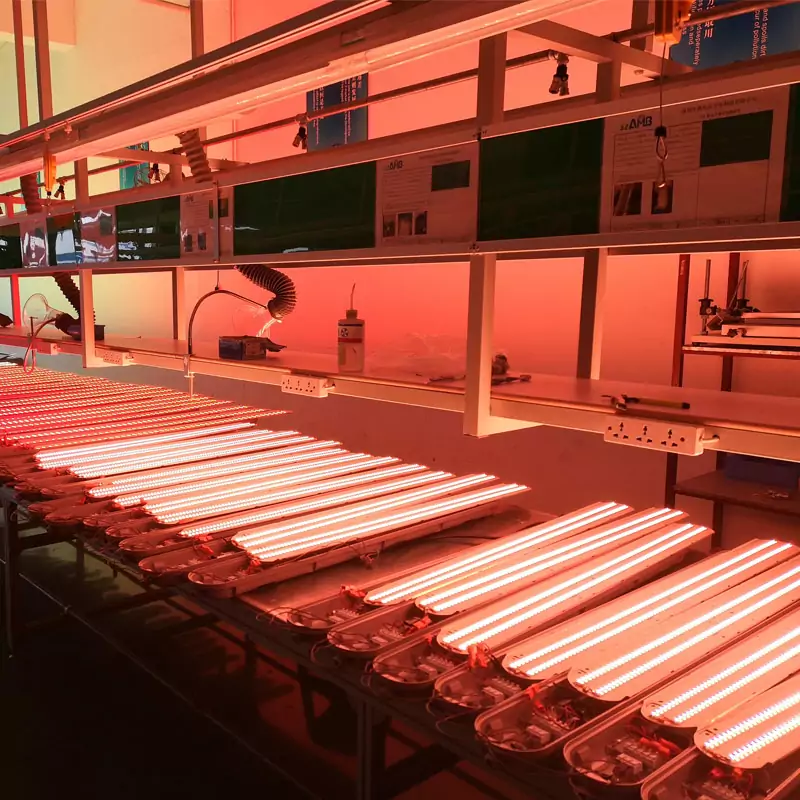
From Traditional Lighting to LED in Pig Housing
Traditional pig barn lighting often relied on fluorescent tubes or high-intensity discharge lamps. These systems typically required ballasts, separate starters, and more frequent component replacements. In enclosed and humid barn environments, those parts degrade faster due to ammonia exposure and moisture stress.
By contrast, LED systems designed for livestock environments are built as sealed units. Research and industry observations show that LED fixtures are more durable in cold, humid, and chemically active barn conditions, which reduces the frequency of failure compared to older lighting types .
Why Swine LED Lighting Is Easier to Replace
When evaluating a swine light system in practice, installation and replacement are typically more straightforward than traditional setups. LED fixtures used in swine barns are often designed as modular or linear units that can be removed and reinstalled without handling multiple internal components.
Many modern systems used in swine facilities are engineered for wet locations, with sealed housings that support quick disconnection and replacement during maintenance cycles . This reduces downtime during cleaning or barn turnover, which is especially important in large-scale operations.
In addition, LED systems are generally built with longer service life expectations, meaning replacement frequency is lower overall compared to older technologies. This reduces the disruption of repeated maintenance tasks in daily farm routines.
Lighting Pig Farms with Maintenance Efficiency in Mind
In lighting pig farms, operational efficiency is closely tied to how easily equipment can be serviced. LED systems provide consistent brightness and controlled light spectra, which helps maintain stable animal environments while reducing manual intervention.
Compared to traditional lighting, LED fixtures also eliminate the need for frequent bulb changes and ballast repairs. This is particularly important in barns where lighting is installed at height or in areas that require special equipment for access.
Manufacturers in this sector also design fixtures to withstand washdown procedures and corrosive barn conditions, improving overall serviceability over time .
Practical Considerations for Farm Operators
While LED systems simplify replacement, farm operators still need to consider installation layout, mounting height, and protection ratings. Proper planning ensures that future maintenance can be completed without major disruption.
It is also important to match lighting design with animal behavior requirements, including uniform distribution and appropriate color temperature for swine environments.
Conclusion
Switching from traditional barn lighting to LED-based systems in pig housing is not only about energy efficiency or brightness quality. It also significantly improves maintenance practicality. A modern swine light system is typically easier to replace because it uses sealed, modular construction and reduces the number of components that can fail.
For operators managing lighting pig farms, this shift means fewer interruptions, simpler servicing, and more predictable long-term maintenance planning. Brands like szAMB continue to develop lighting systems that align with these operational needs, focusing on durability and usability in real farm conditions.