
Providing the right conditions for layer chickens is crucial for optimal egg production. One important consideration is the use of artificial light, especially during the night. Understanding how a controlled light environment can impact laying hens will help poultry farmers achieve better outcomes in their operations. At szAMB, we believe that conducive lighting plays a significant role in maximizing the productivity of laying hens.
The Role of Lighting in Poultry Production
Lighting has been a long-standing practice in poultry farming. Various studies indicate that LED lights for laying hens can be beneficial, particularly during the shorter days of winter. A consistent light schedule mimics natural daylight hours and keeps hens stimulated to lay eggs effectively. The introduction of chicken laying lights during the night can help maintain egg-laying cycles, ensuring that hens remain productive even when daylight is limited.
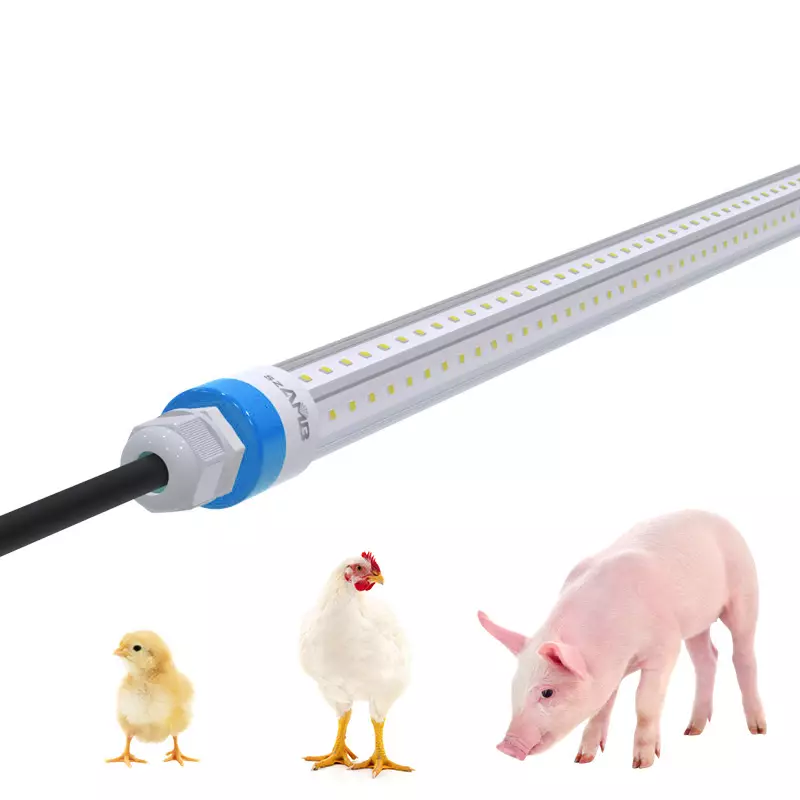
It’s worth noting that the kind of lighting used matters immensely. Advanced lighting technologies like the T8 LED Lighting from szAMB, offer a dimming capability from 0.2% to 100%. This flexibility prevents flickering that can stress the birds and decrease their productivity. By employing an appropriate lighting solution, hen operators can ensure their livestock thrives throughout the year.
Do Hens Prefer Light at Night?
Chickens are social animals with specific needs when it comes to their environment. In general, hens benefit from constant, well-regulated light exposure. Rather than leaving high-intensity light on throughout the night, it’s advantageous to introduce softer chicken laying lights that simulate a natural dusk effect.
Low-level lighting can help encourage hens to eat and drink, even after the sun sets. This habit can greatly assist in maintaining their overall health. Implementing LED lights for laying hens allows farmers to adjust the light intensity based on different times of the day. This flexibility reduces the stress on birds while also enhancing their productivity in hen houses.
The Advantages of Using LED Technology
Utilizing advanced LED technology provides additional benefits beyond just meeting the lighting needs of laying hens. The excellent thermal efficiency associated with szAMB’s T8 LED Lighting translates into longer life spans for the bulbs and reduced energy costs. Farms can operate more sustainably while enhancing their poultry production.
Moreover, LED lights for laying hens consume less power compared to traditional lighting options. This benefit contributes to lower operating costs, making it easier for farmers to maintain their profitability. Beyond energy efficiency, the ability of LED lights to work with worldwide electrical systems means that operations can easily adapt to their local infrastructures without compromising performance.
Conclusion
In summary, providing appropriate lighting for layer hens can significantly influence both their health and productivity. Utilizing chicken laying lights that incorporate T8 LED Lighting technology from szAMB ensures that farmers create an optimal environment for their poultry. Dimming features from 0.2% to 100% without flickers contribute to the welfare of the birds, while the efficiency of LED lighting helps maintain operational costs. Decisions around nighttime lighting are not merely about visibility; they are linked to the overall success of hen management. Implementing these insights can yield a vibrant and fruitful poultry farming experience.