
At szAMB, we focus on designing practical lighting solutions that support real agricultural needs, including poultry environments where lighting directly affects productivity. One of the most common questions we receive is whether chickens need darkness to lay eggs, especially during winter months. The answer is not as simple as yes or no. Chickens do not lay eggs because of darkness itself, but because of how much total light they receive each day. Their reproductive cycle is closely tied to daylight length, and when natural light decreases in winter, egg production naturally slows down.
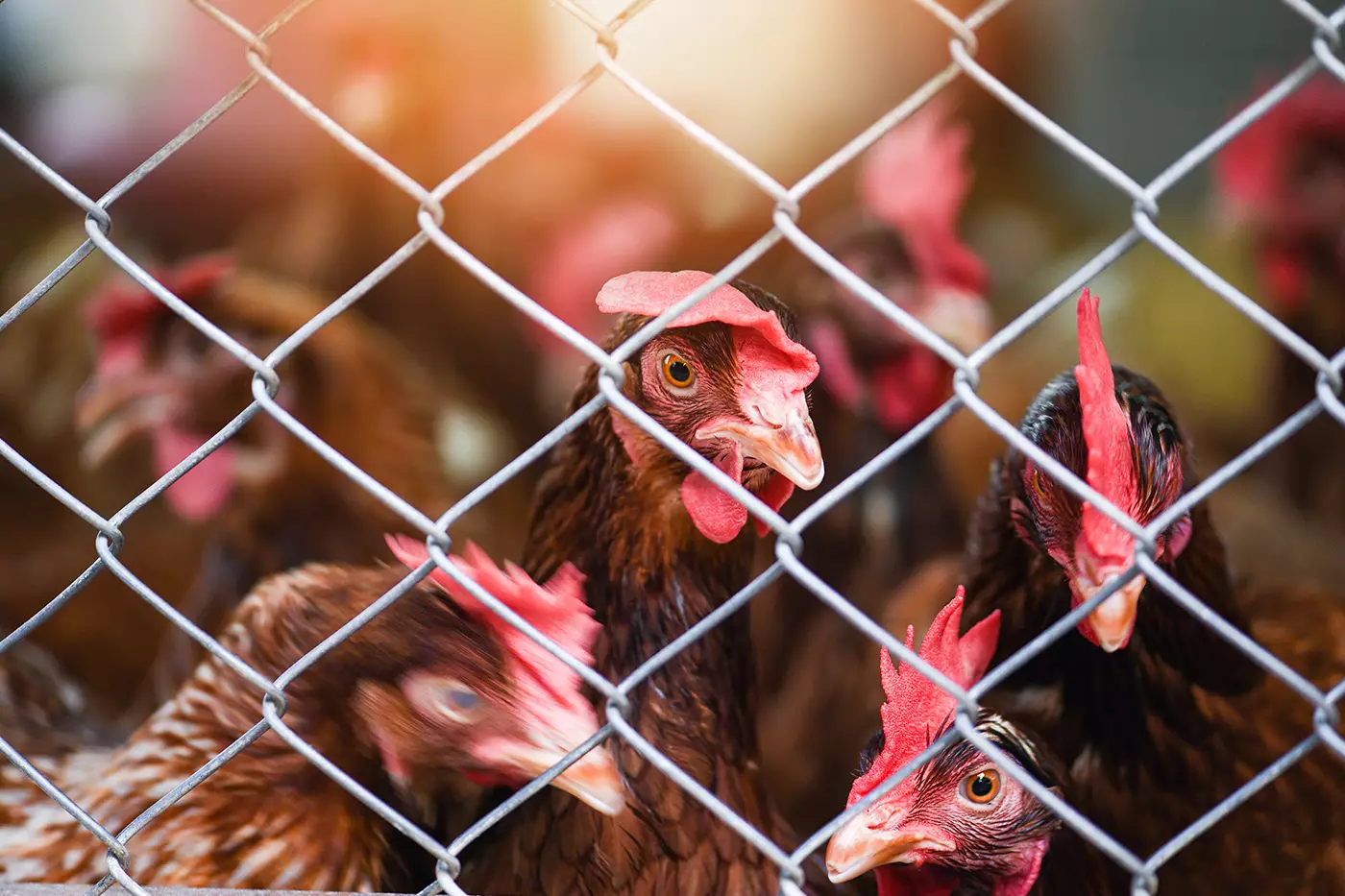
How Light Affects Egg Laying in Chickens
Chickens rely on day length to regulate hormones that control laying. When days are shorter than about 14 hours, their bodies interpret it as a signal to slow down reproduction. Many hens need around 14 to 16 hours of light per day to maintain steady laying patterns.
This is why winter often brings fewer eggs. It is not because chickens “need more dark” but because they are receiving less total light. Darkness itself is actually part of their natural rest cycle, helping them maintain sleep and normal body rhythms.
Do Chickens Need Darkness?
Yes, chickens do need a dark period, but not for egg production directly. They need darkness for rest, recovery, and natural circadian rhythm regulation. Continuous light can cause stress, disrupt sleep, and negatively affect flock behavior.
However, darkness alone does not trigger egg laying. What matters more is the balance between light and dark across the full day. In other words, chickens need both components, but light is the main driver of laying activity.
Winter Laying and Supplemental Light in Barn Systems
In commercial and backyard farming, supplemental lighting is often used in winter to maintain consistent egg production. This is where solutions like our commercial LED barn lights from szAMB come into practical use. These systems help extend daylight hours safely and evenly inside poultry housing environments.
By providing controlled lighting in barns, we help maintain a stable photoperiod closer to 14 to 16 hours, which supports ongoing laying even when natural daylight is limited. At the same time, a proper night cycle is still maintained so hens can rest normally.
Chicken Light for Winter Laying: Finding the Right Balance
When we design lighting solutions for poultry environments, including a chicken light for winter laying, the goal is balance rather than intensity. Too much brightness or 24-hour light exposure is not beneficial. Research shows hens still require a consistent dark period for healthy behavior and stress reduction.
In practical terms, farmers often add early morning lighting or controlled evening extension lighting. This ensures hens experience consistent day length without disturbing their rest cycle.
At szAMB, our approach to lighting design focuses on stable illumination, energy efficiency, and uniform coverage across barn spaces. This is especially important in poultry environments where uneven lighting can lead to inconsistent laying zones or behavioral clustering.
Conclusion: Light Matters More Than Darkness
Chickens do not require darkness to lay eggs, but they do require the right balance of light and dark. Egg production is primarily influenced by total daily light exposure, not simply nighttime duration.
For winter laying, controlled lighting inside barns using solutions like commercial LED barn lights can help maintain stable production cycles. Meanwhile, proper darkness ensures hens remain healthy, well-rested, and consistent in their natural rhythms.
At szAMB, we focus on providing lighting systems that support both productivity and animal well-being, helping poultry environments operate more consistently throughout seasonal changes.