
The role of chicken coop lighting for egg production is pivotal for poultry farmers aiming to maximize their flock’s productivity. As caretakers, understanding how much light do laying hens need is essential in creating an environment that promotes both health and optimal egg-laying activity. Proper lighting not only influences the hens’ biological cycles but also enhances their overall wellbeing.
Understanding Light Requirements for Laying Hens
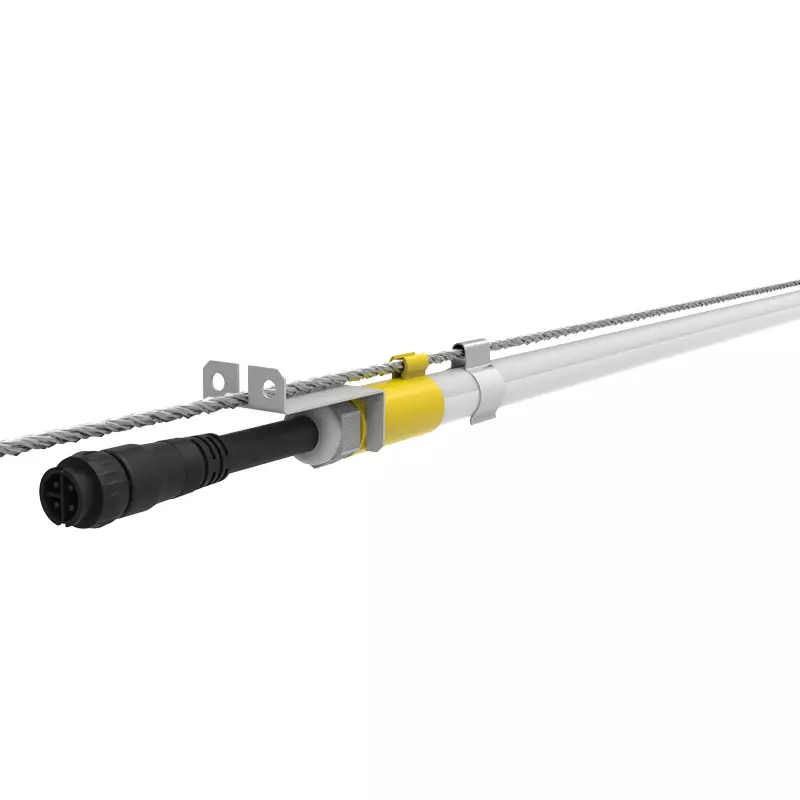
Laying hens benefit significantly from a structured light schedule. Typically, hens require about 14 to 16 hours of light per day to maintain peak egg production. This exposure to relatively bright light simulates the longer days of spring and summer, prompting the hens to lay eggs more consistently. A well-planned lighting strategy should focus on providing adequate brightness without overwhelming the birds. Using DC48V T6 LED lighting is an excellent option as it allows customization of light size and color, which can be tailored to the coop’s dimensions and hens’ visual comfort.
Daylight simulation is crucial. To achieve this, farmers often strategically use our szAMB lighting solutions to create a pleasant atmosphere. With our fast connect, plug-and-play design, installation becomes straightforward, allowing farmers to adjust the lighting as needed. Furthermore, the durability and strength of our mounting fixtures, including a PC Clip, stainless steel plate, and clamp system, ensure that the lighting remains secure and effective in even the most active coops.
Effects of Insufficient Lighting
Insufficient exposure to light can hinder egg production significantly. Hens may experience altered reproductive cycles, leading to lower egg yields and poorer egg quality. This situation not only impacts profitability but also affects flock health negatively. Additionally, dimly lit conditions can increase stress levels among hens, as they are less comfortable navigating their environment during twilight periods.
With the use of chicken coop lighting for egg production, farmers can mitigate these issues. By engaging in a proper lighting schedule that adheres to the how much light do laying hens need guideline can lead to a healthier environment. At szAMB, we recognize the importance of creating a tailored lighting solution that meets specific farm needs, ensuring that each hen can thrive.
Customizing Lighting for Your Coop
Every chicken coop has unique requirements based on its size, the number of hens, and existing structures. Understanding these elements allows for customized solutions that optimize egg production. Our szAMB products come in various sizes, ranging from 60 cm to 240 cm. This range permits farmers to select the ideal lighting that fits seamlessly within their coop while providing the necessary brightness for the hens.
In addition, different lamp cap colors can alter the psychological environment, influencing the hens’ behavior. Research indicates that certain colors may promote calmness, enhancing their overall stress levels. Therefore, choosing the right lighting not only elevates egg production but also supports the welfare of the hens.
Conclusion
In summary, understanding how much light do laying hens need is crucial for producing healthy, high-yield eggs. By integrating intelligent chicken coop lighting for egg production, farmers can greatly enhance both the productivity and welfare of their flocks. With products from szAMB, including customizable LED lights that are easy to install and maintain, optimizing your coop’s lighting has never been easier. Investing in proper lighting not only supports egg production but also promotes a more comfortable and healthy environment for your hens.