
Ensuring optimal conditions in a chicken coop is crucial for promoting effective egg production. Lighting plays a significant role in this, influencing the biological processes of chickens. Understanding how much light chickens need to lay eggs can help you to create an environment conducive to increased egg production. At szAMB, we recognize the importance of proper chicken coop lighting for egg production.
Importance of Natural Light Cycles
Chickens have a natural circadian rhythm, which is primarily influenced by daylight. Typically, hens need about 14 to 16 hours of light daily to maintain a healthy laying schedule. This light facilitates the release of hormones that are essential for egg laying. A lack of adequate light can lead to decreased egg production or even cessation. Therefore, effectively mimicking these natural light cycles with proper lighting systems becomes essential.
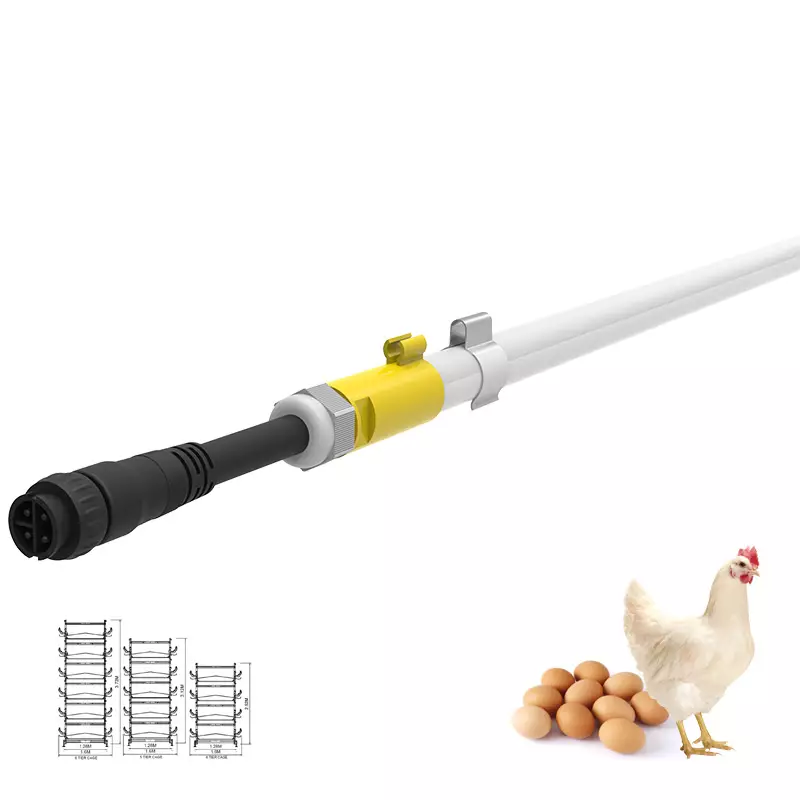
In coops that do not have access to natural sunlight, implementing artificial lighting solutions can make a significant difference. Products like the DC48V T6 LED Lighting can be beneficial due to their designed durability and efficiency. With an anti-ammonia and acid, corrosion-proof design, these lights are capable of withstanding the demanding barn environment, ensuring that your hens get plenty of light even in the darker months.
Effects of Light Intensity on Layers
The intensity of light is just as crucial as the duration. Low-light conditions can confuse birds, leading to anxiety and irregular laying patterns. Hens tend to prefer brighter environments, which promote activity and consequently increase their egg production rates. Research shows that hens exposed to higher levels of light intensity during their daily cycle often produce better-quality eggs.
As a result, investing in products that provide even and sufficient illumination throughout the coop is worth considering. The szAMB LED lights are shatter-proof and IP67 waterproof, making them suitable for environments with high humidity or moisture. They ensure that your flock enjoys a consistent light level, optimizing their ability to lay eggs effectively.
Mitigating Environmental Challenges
The environment in which chickens are raised can inevitably impact their productivity. Factors such as humidity, weather changes, and exposure to corrosive elements can affect not only the birds but also the equipment used in the coop. Ensuring that your lighting solutions can handle these challenges is vital.
Our DC48V T6 LED Lighting is designed for such conditions. Its aviation-grade adhesive allows for use in complex environments, maintaining integrity against corrosion. This resilience means that you can rely on consistent lighting without frequent replacements, thus creating stable conditions for your laying hens.
Conclusion
Understanding how much light chickens need to lay is crucial for any poultry farmer looking to maximize chicken coop lighting for egg production. Proper lighting is key to mimicking natural conditions, enhancing the chickens’ productivity, and ensuring their well-being. Utilizing robust lighting solutions, such as the DC48V T6 LED Lighting provided by szAMB, can create an optimal environment for your hens. With the right balance of light duration, intensity, and environmental resilience, your chickens can thrive, ensuring a steady supply of eggs year-round.