
Choosing the right lighting for laying hens is crucial for their productivity and overall well-being. Understanding what kinds of light are ideal for these birds can significantly influence their egg production and health. Utilizing high-quality LED lights for laying hens not only improves their productivity but also promotes a more comfortable environment. At szAMB, we emphasize creating solutions tailored to the unique requirements of poultry farms worldwide.
The Importance of Light Spectrum
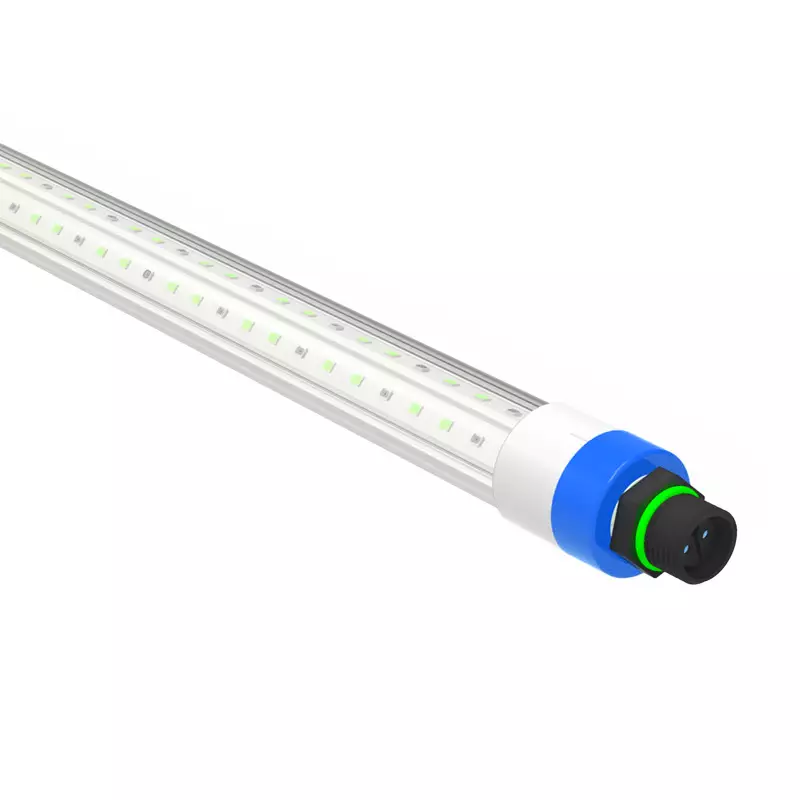
Laying hens require specific light wavelengths for optimal health and productivity. Research indicates that laying hen lighting should focus on a spectrum that mimics natural daylight. Hens respond to longer wavelengths, which enhance their reproductive performance, stimulate activity, and regulate their circadian rhythms. Utilizing LED lights for laying hens that emit a balanced spectrum helps to ensure that your flock remains healthy and focused. This balance contributes to better egg production and overall flock vitality.
Duration and Intensity of Light
Light duration and intensity are critical factors influencing the laying cycle. Hens typically require around 14 to 16 hours of light daily to promote consistent egg production. Sudden changes in light duration can stress the birds, leading to reduced egg output. SzAMB’s LED lights for laying hens provide adjustable intensity settings, allowing farmers to replicate natural day cycles effectively. This adaptability enables poultry farmers to manage their flocks better, enhancing both mood and laying consistency in their hens while working seamlessly with worldwide electrical systems.
Energy Efficiency and Cost-Effectiveness
Adopting laying hen lighting solutions such as high-efficiency LED technologies can lead to significant savings. These lighting systems consume less power and have a longer lifespan compared to traditional bulbs. The LED lights for laying hens from szAMB offer excellent thermal efficiency, reducing heat accumulation in poultry houses and creating a more comfortable environment. This energy efficiency not only lowers operational costs but also supports sustainable farming practices. Moreover, their adjustable light intensity and spectrum can be tailored precisely to match the physiological rhythm of laying hens, effectively stabilizing egg production volume and improving egg quality throughout the entire laying cycle.
Conclusion
Overall, the choice of lighting in poultry farming is a multifaceted decision that can significantly impact the health and productivity of laying hens. Understanding the specific light needs, including spectrum, duration, and intensity, is essential for any successful operation. By using high-quality LED lights for laying hens, farmers can optimize their environments, leading to happier and more productive flocks. Embracing innovative solutions like those from szAMB ensures that poultry operations can thrive while simultaneously prioritizing energy efficiency and cost-effectiveness.