
Lighting is not merely an auxiliary aspect of poultry farming; it is a fundamental requirement for optimizing egg production in chickens. For poultry and livestock equipment suppliers, large-scale farmers, and agricultural lighting distributors, understanding the relationship between light and egg-laying behavior is crucial. At szAMB, we specialize in providing advanced commercial LED barn lights designed specifically to meet the lighting needs of poultry, ensuring healthy and productive flocks.
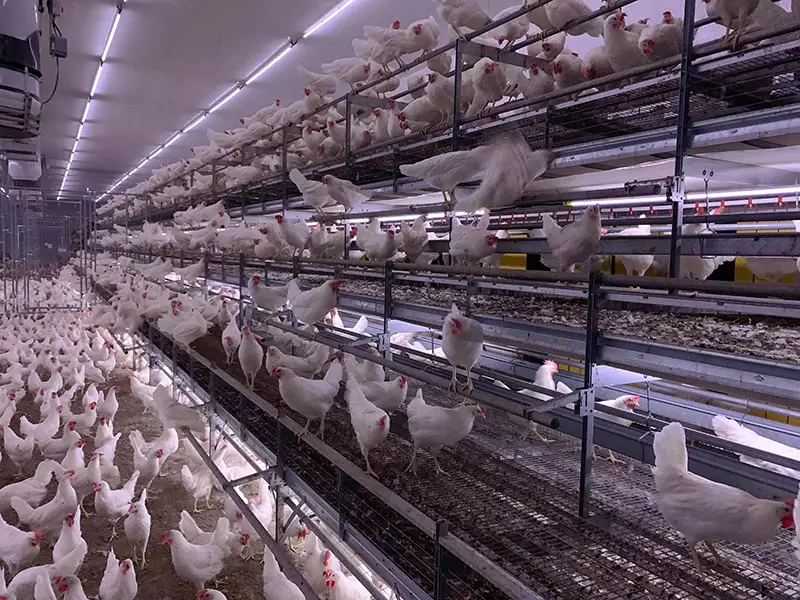
The Importance of Light for Egg Production
In order to answer the question, “How much light does a chicken need to lay eggs?” it is essential to examine the effects of light on the reproductive cycle of hens. Chickens are sensitive to light, and their laying cycle is influenced by the amount and quality of light they are exposed to. Typically, hens require around 14 to 16 hours of light per day to maintain optimal laying conditions. This duration promotes the production of hormones that stimulate egg-laying.
However, the type of light is equally important. Natural light is ideal, but commercial LED barn lights can effectively replicate these conditions. With the flicker-free dimming technology featured in szAMB’s poultry lighting systems, farmers can simulate natural light patterns that encourage healthy reproductive cycles. This approach not only maximizes egg production but also helps in reducing stress levels among the birds.
Features of Effective Poultry Lighting
When considering what kind of light chickens need, it is important to focus on the aspects that enhance their living environment. szAMB’s commercial LED barn lights ensure wide and uniform light distribution, which eliminates shadows and dark spots that can confuse or stress the birds. This even illumination is critical for creating a conducive environment for egg-laying.
Moreover, the flicker-free technology included in our lighting solutions allows farmers to gradually change light intensity, mimicking the natural transition from day to night. By doing so, you can effectively lower stress and aggressive behaviors, contributing to a calmer flock. These factors are vital for laying hens, as a less stressed environment has been shown to correspond with increased laying rates and better overall health.
Duration and Intensity: Balancing Factors for Optimal Egg-Laying
In addition to the type of light, the duration and intensity must also be carefully managed. Too much light can lead to stress and aggressive behaviors in hens, while insufficient light can reduce egg production. Therefore, it is important to strike a balance that meets the needs of the flock.
szAMB’s advanced lighting systems allow farmers to adjust light intensity from 0 to 100%, providing flexibility to meet specific requirements. This adaptability ensures that farmers can create optimal conditions tailored to their flocks, maximizing their productivity while maintaining animal welfare.
The Essential Role of Lighting in Egg Production
In summary, effectively answering the question “What kind of light do chickens need to lay eggs?” involves understanding the importance of the right lighting duration, intensity, and quality. szAMB’s commercial LED barn lights offer advanced features that simulate natural conditions to promote egg-laying efficiency while maintaining the well-being of the birds.
Investing in high-quality poultry lighting solutions not only enhances egg production but also contributes to a healthier farming environment. For poultry farms, integrating these advanced lighting options is crucial for achieving optimal results in egg-laying performance. By prioritizing proper lighting with szAMB, farmers can ensure their flocks thrive and produce effectively.