
Proper lighting in pig housing is more than visibility. It helps shape daily activity patterns, supports animal comfort, and improves farm management efficiency. At szAMB, we focus on delivering reliable barn illumination systems designed specifically for livestock environments, including swine lights where stable light conditions are essential.
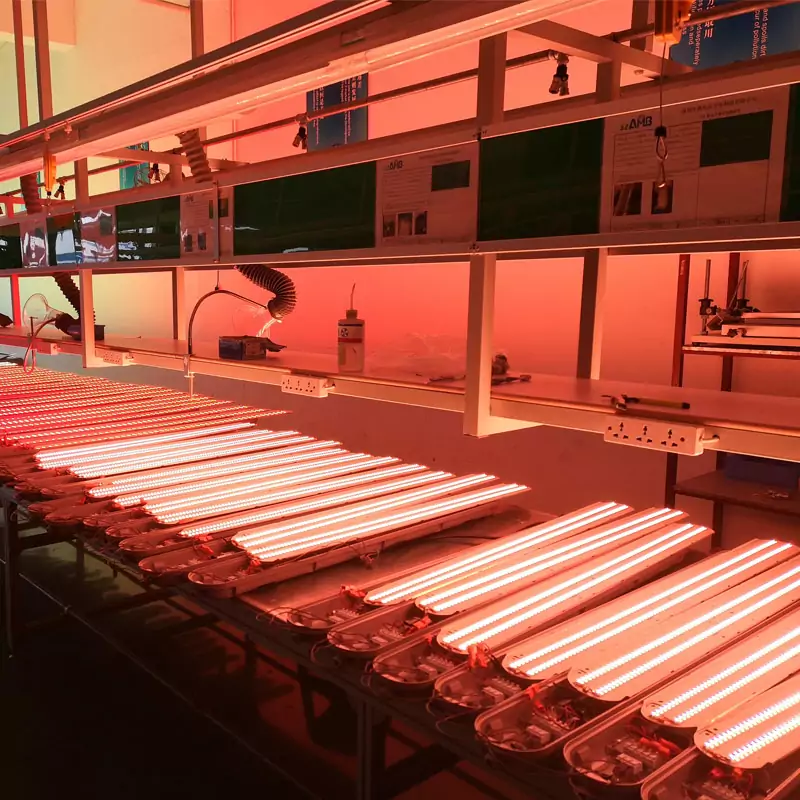
Why Lighting Matters in Pig Housing
In swine production, lighting conditions influence feeding behavior, resting cycles, and overall barn atmosphere. A well-designed lighting setup can help maintain a stable environment where pigs are more comfortable and easier to manage. Consistent illumination also supports workers in monitoring animal health and barn conditions throughout the day and night.
Our approach to pig barn illumination systems is based on durability, uniform brightness, and adaptability to different housing layouts. These systems are engineered to operate under demanding conditions such as humidity, dust, and ammonia exposure commonly found in livestock buildings.
Are Pigs Afraid of the Dark?
Pigs are not inherently “afraid” of darkness in the human sense, but they are highly responsive to environmental changes, including light levels. Sudden transitions between bright and dark spaces may cause hesitation or stress-related behaviors.
In controlled farming environments, consistent lighting schedules are used to reduce uncertainty and support stable daily rhythms. Lighting programs can help regulate feeding activity and improve overall behavioral stability. Research in livestock environments shows that light intensity and photoperiod can influence metabolism, activity levels, and stress response in pigs.
This is why farms often avoid complete darkness in active areas and instead maintain low, uniform illumination during night hours.
Swine Light Applications in Barn Design
A swine light system is typically designed to deliver evenly distributed illumination across pens and walkways. This helps ensure that animals do not cluster into overly bright or overly dark zones, which can affect movement and comfort.
At szAMB, our lighting solutions are built for livestock environments with a focus on:
Stable brightness distribution across wide barn areas
Resistance to washdown procedures and corrosive gases
Long service life to reduce maintenance interruptions
These characteristics make them suitable for different pig housing stages, including farrowing, nursery, and finishing areas.
Swines Lights and Environmental Control
Swines lights play an important role in maintaining a controlled indoor environment. By adjusting brightness levels and light timing, farms can simulate natural day and night cycles, which supports more predictable animal behavior.
Some lighting setups also allow dimming functions, helping create smoother transitions between active and resting periods. This reduces sudden environmental shifts that may disturb livestock.
Beyond animal comfort, consistent lighting also improves visibility for farm staff, making routine checks and cleaning tasks more efficient.
Conclusion
Effective lighting in pig housing is about more than illumination. It supports structured daily rhythms, improves operational efficiency, and contributes to a more stable barn environment. While pigs are not afraid of darkness, they do respond strongly to changes in light conditions, making consistent lighting strategies important in modern swine farming.
At szAMB, we continue to develop lighting solutions that support these needs, focusing on durability, uniformity, and practical farm application across different swine housing systems.